
Viral challenges have become a major part of online culture. From dance trends to fundraising campaigns, these activities attract millions of participants across social media platforms and create widespread engagement within a short period.
One reason viral challenges gain attention is their simplicity. Most challenges require little effort to understand and complete. This accessibility allows people from different backgrounds and age groups to participate without needing special skills.
People are naturally drawn to shared experiences. Viral challenges create opportunities to connect with others and feel included in a larger community. Participation provides a sense of belonging that many individuals actively seek.
The public nature of social media also increases appeal. Participants can showcase their creativity, personality, or humor while receiving recognition from friends, followers, and online audiences, making the experience rewarding and enjoyable.
Social influence is one of the strongest factors behind viral challenge participation. People often observe friends, family members, celebrities, and influencers engaging in challenges before deciding to join themselves.
When individuals see others participating, they perceive the activity as socially acceptable and popular. This phenomenon, known as social proof, encourages people to follow similar behaviors and become part of the trend.
Peer pressure can also play a role. Although not always negative, the desire to fit in with a social group motivates many individuals to take part in challenges that are widely discussed online.
Influencers significantly amplify challenge visibility. Their large audiences help trends spread rapidly, and followers often imitate their actions because they trust, admire, or identify with the personalities they follow.
Humans are social beings who naturally seek acceptance and connection. Viral challenges satisfy this psychological need by creating shared experiences that unite participants across different locations and cultures.
Participating in a challenge allows individuals to feel part of something larger than themselves. Even a simple activity can create a strong sense of community when thousands or millions are involved.
Social media platforms make belonging highly visible. Users can see others joining conversations, sharing results, and supporting participants, reinforcing feelings of inclusion and social connection throughout the experience.
The fear of missing out, commonly known as FOMO, also contributes to participation. People may join challenges to avoid feeling excluded from trending discussions or popular online activities among their peers.
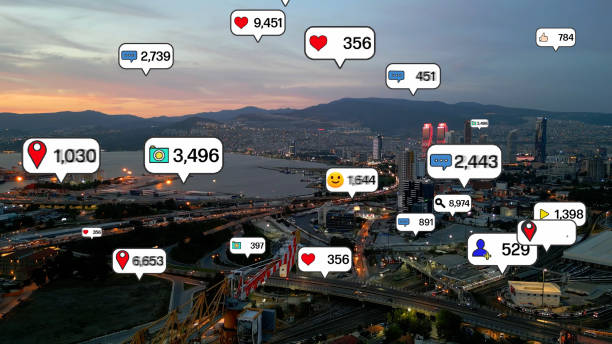
Psychological rewards play an important role in the success of viral challenges. People often receive positive feedback through likes, comments, shares, and reactions, which reinforces participation and encourages continued engagement.
These digital interactions activate reward systems in the brain. Positive social feedback creates feelings of satisfaction and achievement, making users more likely to participate in future online trends and challenges.
Recognition from peers can be especially motivating. Individuals enjoy being noticed and appreciated for their creativity, effort, or unique approach to completing a challenge and sharing it publicly.
Some challenges also offer opportunities for personal growth. Participants may gain confidence, improve skills, or discover new interests while engaging in activities that encourage self expression and social interaction.
Emotions are powerful drivers of online behavior. Viral challenges often evoke feelings such as excitement, curiosity, amusement, inspiration, or empathy, making them more likely to attract widespread participation.
Challenges that generate positive emotions tend to spread quickly because people enjoy sharing experiences that make them happy. Emotional content is often more memorable and encourages greater engagement among audiences.
Certain challenges succeed because they inspire meaningful causes. Fundraising campaigns and awareness initiatives connect with participants emotionally, motivating them to contribute while encouraging others to join the movement.
Curiosity also influences behavior. When people repeatedly encounter a challenge online, they may become interested in understanding the trend, leading them to participate and share their own experiences.
Modern social media platforms are designed to encourage sharing and engagement. Features such as hashtags, short form videos, and recommendation algorithms help viral challenges reach larger audiences rapidly.
Algorithms often prioritize content that generates strong engagement. As more people interact with challenge related posts, platforms increase visibility, exposing the trend to new users and accelerating its growth.
Digital culture values participation and interaction. Users are encouraged to create content rather than simply consume it, making viral challenges an effective way to engage audiences and promote active involvement.
The speed of online communication further contributes to virality. Trends can spread across countries within hours, allowing challenges to gain global attention and attract participants from diverse communities worldwide.
Not every challenge becomes successful. Viral challenges that achieve global popularity often combine simplicity, emotional appeal, social influence, and strong visibility across multiple digital platforms simultaneously.
Successful challenges are easy to replicate. When participants can quickly understand the rules and create their own version, the trend becomes more accessible and encourages widespread adoption among users.
Timing also plays a crucial role. Challenges launched during cultural events, holidays, or significant social moments often gain additional momentum because they align with public interests and conversations.
Global participation creates a cycle of continuous growth. As more people join and share content, the challenge gains credibility, attracts media attention, and reaches audiences far beyond its original community.
Viral challenges will likely remain an important aspect of digital culture. As technology evolves, new formats and interactive experiences will continue shaping how people engage with online trends.
Emerging technologies such as augmented reality and artificial intelligence may create more immersive challenges. These innovations could increase participation by offering personalized and engaging experiences for users worldwide.
Brands, organizations, and content creators will continue using challenges to build communities and increase visibility. Well designed campaigns can generate meaningful engagement while encouraging user generated content and interaction.
Understanding the psychology behind viral challenges reveals why they are so effective. Social connection, emotional engagement, recognition, and cultural participation combine to motivate millions of people to join and share these experiences online.

This post has been authored and published by one of our premium contributors, who are experts in their fields. They bring high-quality, well-researched content that adds significant value to our platform.






Photography Shots is your source for photography tips, camera guides, editing tutorials, and creative inspiration. Capture moments, tell stories, and improve your photography skills.
